NEWSLETTER
Like to join our mailing list?
We’ll keep you informed with tax deadline reminders, accounting tips, and relevant news and updates.

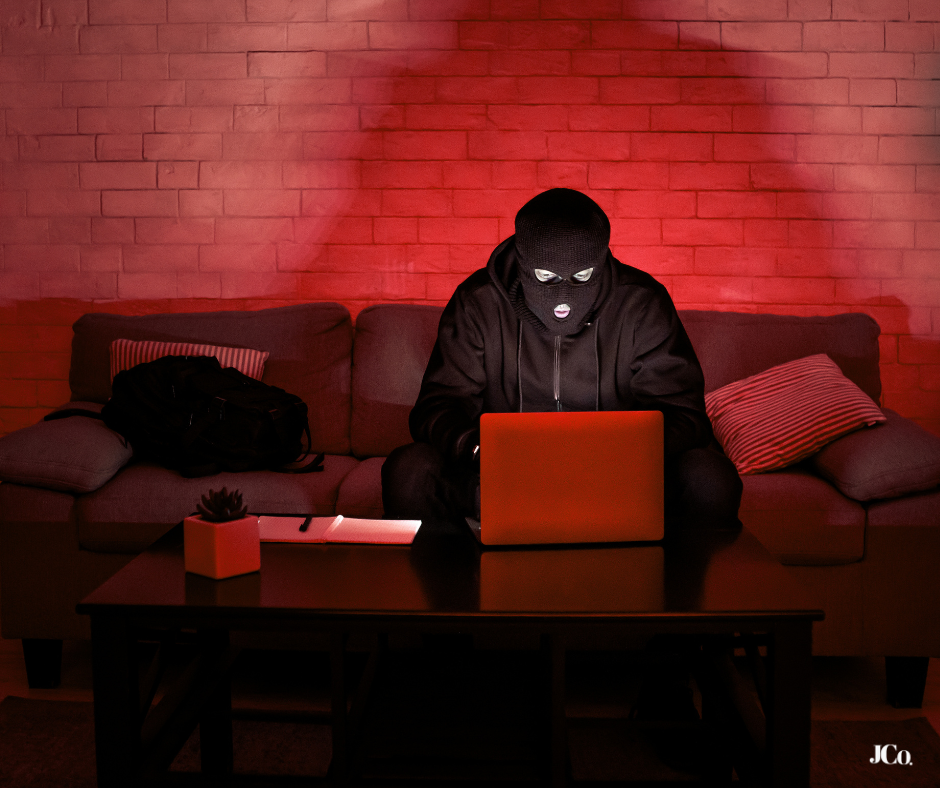
Someone I know recently lost access to their ridesharing account.
They were locked out, worried, and trying to get back in. Then they reached someone claiming to be customer support. The solution sounded simple: pay a fee, and we'll restore your access.
Except the person offering to help wasn't there to help. Money was sent, and getting it back has been difficult.
I want to be clear about something: this person isn't careless. That's the point.
Scams like this aren't built to fool people who aren't paying attention. They're built to take your attention away. Something unexpected happens. There's a problem, a deadline, and someone offering a quick solution. Before you've had a chance to think, you're being pushed to make a payment. And if your income depends on an app, an account, or an inbox, that pressure can be even greater.
For a rideshare driver, freelancer, online seller, or small-business owner, losing access isn't just a technical problem. It can mean missed bookings, delayed payments, and customers you can't reach.
For some people, the account is the business. That's what makes the promise of a quick fix so tempting. But here's something worth remembering: When someone creates urgency around your money, slow the transaction down.
Hang up. Close the message. Open the app yourself or visit the company's official website. Verify the situation through a channel you choose, not one provided by the person demanding payment.
The extra five minutes might feel expensive when you're worried about losing access. But those five minutes could save you much more. Strong passwords and multifactor authentication matter, too. But even a well-secured account can't protect you from every decision someone pressures you into making.
So here's the direct version. Don't send money or share sensitive information in response to an unexpected request without independently verifying it. And if you've already been scammed, act quickly. Contact your bank or payment provider, secure your accounts, and report what happened.
Slow down before the payment. Move quickly if something goes wrong. Because sometimes protecting your money isn't about knowing more. It's about giving yourself enough time to use what you already know.
J&C Briefs | Joachim & Co.
Tax. Business. Money. Explained.

Share This News